

Quick answer
The gold coast whale watching season runs from June through November, with peak sightings occurring between July and October. Humpback whales migrate northward from June to August, then return southward with newborn calves from September to November. Morning departures between 08:30 and 12:00 offer calmer seas and better lighting conditions for photography, though sightings occur throughout the day during migration months.
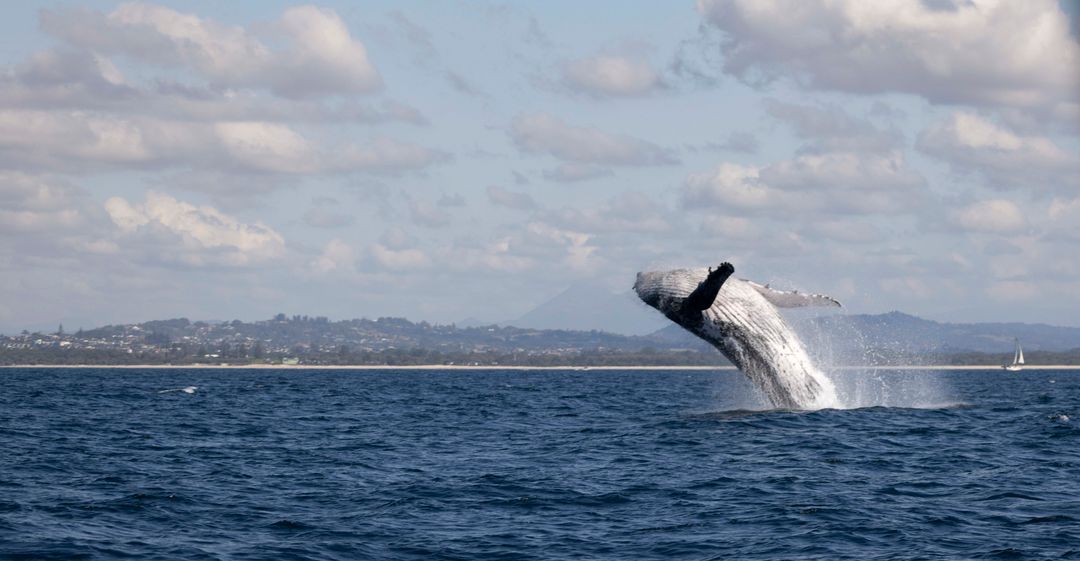
More than 30,000 humpback whales travel the eastern Australian coastline each year, making it the largest humpback migration on Earth. The Gold Coast occupies a strategic position on this route, where the continental shelf brings deep water close to shore and whales pass within five nautical miles of the coast. The gold coast whale watching season divides into two distinct phases. The northbound migration from June through August sees adult whales moving quickly toward warmer breeding grounds near the Great Barrier Reef. These whales often travel in small pods and display less surface activity as they conserve energy for the journey. The southbound return from September through November brings mothers with calves born in tropical waters, moving at a slower pace and spending more time at the surface. Calves are curious and playful, often approaching vessels and breaching repeatedly. Sea World Cruise Terminal on Seaworld Drive serves as the primary departure point for whale watching operations. Vessels operating from this terminal range from large observation catamarans to smaller expedition boats, all following strict approach guidelines set by Queensland Parks and Wildlife Service. Captains maintain a 100-meter exclusion zone around whales, though curious animals frequently approach closer on their own. Hydrophones allow passengers to hear whale song during the journey. The humpback highway phenomenon peaks in mid-September when both northbound stragglers and early southbound pods overlap in Gold Coast waters. During this window, multiple sightings per voyage become routine. Water temperature, krill availability, and calf birthing patterns shift the exact timing slightly each year, but the core migration months remain consistent. Operators run daily departures throughout the season, with morning trips departing as early as 08:30 to take advantage of calm conditions before afternoon sea breezes develop. Tour fees vary by vessel type and duration, with all bookings handled separately from terminal access.
“The Gold Coast sees more than 30,000 humpback whales pass along its coastline each year during the longest humpback migration on Earth.”
Understanding the Gold Coast Whale Watching Season
The Gold Coast whale watching season typically spans from June to November, when humpback whales migrate along the Queensland coast. For the best experience, aim for the morning window between 08:30 and 12:00 when conditions are often favorable for sightings.
June–July
Moderate crowdsCooler, 15°C–21°C
The season begins as whales travel north to warmer tropical waters. Many whales are active and breaching during this period.
August–September
Peak crowdsMild, 17°C–23°C
This period offers the highest frequency of sightings as whales return south with calves. It is considered the most active time of the season.
October–November
Lower crowdsWarming, 19°C–26°C
The migration nears its end, though mothers and calves remain common. This is a quieter time to observe the final pods of the year.
Morning departures
Fewer crowds—
The best arrival window is 08:30–12:00 to take advantage of calmer waters and optimal lighting conditions for photography.
Verdict: The optimal time for whale watching is between August and September during the morning arrival window of 08:30–12:00.
Daily Operation Hours During Gold Coast Whale Watching Season
The Sea World Cruise Terminal operates on a consistent schedule throughout the whale watching season to accommodate visitor departures. Doors open daily at 08:30 to assist with terminal check-in procedures.
| Monday | 08:30–17:00 | |
|---|---|---|
| Tuesday | 08:30–17:00 | |
| Wednesday | 08:30–17:00 | |
| Thursday | 08:30–17:00 | |
| Friday | 08:30–17:00 | |
| Saturday | 08:30–17:00 | |
| Sunday | 08:30–17:00 |
Access and Terminal Fees for Gold Coast Whale Watching Season
Access to the Sea World Cruise Terminal is available at no cost to the public. Whale watching experiences require a separate tour booking, as entry fees for the terminal and tour costs are independent.
While terminal access is 0 AUD, visitors must purchase a whale watching tour, with prices varying based on the specific operator and package selected.
Arrival Logistics for the Gold Coast Whale Watching Season
The Sea World Cruise Terminal is located at Seaworld Drive, Main Beach, QLD 4217, Australia. Visitors typically reach the terminal by private vehicle or local transport services heading toward Main Beach.
Follow Seaworld Drive to Main Beach; parking available on-site
Take Translink bus routes to the Seaworld bus stop
Direct service to Sea World Cruise Terminal
Pre-Visit Checklist for Gold Coast Whale Watching Season
A few steps will ensure a smooth whale watching experience during peak migration season.
-
Book your cruise in advance — Tours fill quickly during the June–November migration window.
-
Bring layers and a waterproof jacket — Offshore conditions can be 5–10°C cooler with ocean spray.
-
Pack binoculars and a camera with zoom — Whales surface 50–100 meters from the vessel on most sightings.
-
Arrive 30 minutes before departure — Check-in and boarding close promptly at the scheduled time.
-
Take motion sickness medication if needed — Open-ocean swells can reach 1–2 meters even on calm days.
-
Wear non-slip, closed-toe shoes — Decks become slippery from sea spray and movement.
Check availability
Frequently Asked Questions About Gold Coast Whale Watching Season
Everything you need to know about gold coast whale watching season